
Sprouted Ragi
Why we use it
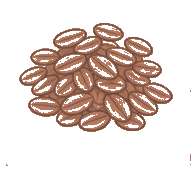
Sprouted ragi gives a gentle grain base and works well in porridges, pancakes, and soft meals.
Fun tip: Ragi is also called finger millet and is widely used across South Indian homes.
Mostly connected to: South India
We keep it simple. Every ingredient in our products is chosen with care, sourced responsibly, and used for a purpose.
Why we use it
Sprouted ragi gives a gentle grain base and works well in porridges, pancakes, and soft meals.
Fun tip: Ragi is also called finger millet and is widely used across South Indian homes.
Mostly connected to: South India
Why we use it
Whole wheat helps create a creamy, familiar porridge texture when cooked well.
Fun tip: Whole wheat pairs naturally with banana, apple, ghee, and warm spices.
Mostly connected to: India
Note: Contains gluten.
Why we use it
Almond adds mild nuttiness and richness to selected mixes.
Fun tip: Almond works well with cardamom in Indian-style breakfast mixes.
Mostly connected to: India & world
Note: Tree nut allergen.
Why we use it
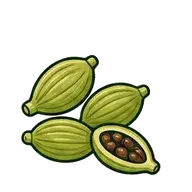
Cardamom gives a warm, familiar aroma without needing artificial flavor.
Fun tip: Cardamom is often used in payasam, porridges, and warm milk drinks.
Mostly connected to: South India
Why we use it
Brown rice creates a familiar meal base, especially when paired with dal.
Fun tip: Rice and dal is one of the most familiar comfort-food combinations in Indian homes.
Mostly connected to: India
Why we use it
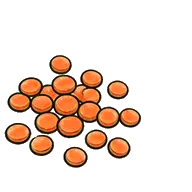
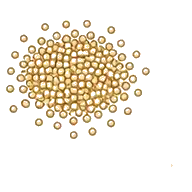
Yellow moong dal pairs well with rice for simple everyday baby meal routines.
Fun tip: Moong dal is commonly used in light khichdi and soft rice-dal meals.
Mostly connected to: India
Why we use it
Raw nendran banana cooks into a naturally mild, filling porridge texture.
Fun tip: Nendran banana is especially loved in Kerala and across South Indian homes.
Mostly connected to: Kerala / South India
Why we use it
Dates add gentle sweetness to porridges, drinks, and snacks without refined sugar.
Fun tip: Dates are widely used across the Middle East, India, and many traditional sweet recipes.
Mostly connected to: India & world
Note: Use age-appropriate portions and textures.
Why we use it
Natural cocoa gives a chocolate note without artificial chocolate flavor.
Fun tip: Cocoa pairs naturally with dates for sweetness and ragi for body.
Mostly connected to: World
Why we use it
Dry ginger adds a familiar warm spice note to selected mixes.
Fun tip: Dry ginger is often used in traditional homemade drink and porridge routines.
Mostly connected to: India
Why we use it
Red banana gives a familiar fruit base and mild sweetness to drink mixes.
Fun tip: Red banana is enjoyed in many parts of South India.
Mostly connected to: South India
Why we use it
Beetroot adds natural color and an earthy vegetable note to recipes.
Fun tip: A small amount can brighten dosa batter, cheela batter, or snack mixes.
Mostly connected to: India & world
Why we use it
Moringa adds a plant-based green note to soups, batters, and daily recipes.
Fun tip: Moringa is also known as drumstick leaves and is common in many Indian kitchens.
Mostly connected to: India
Note: Use as directed in recipes or daily mixes.
Why we use it
Amla brings a tangy fruit note to selected family food routines.
Fun tip: Amla is a familiar ingredient in many Indian home remedies and food traditions.
Mostly connected to: India
Note: Use as directed in recipes or daily mixes.
Why we use it
Rolled oats cook into a soft texture and pair well with fruit and mild spices.
Fun tip: Oats are easy to rotate into Indian-style porridges, pancakes, and bowls.
Mostly connected to: World
Why we use it
Makhana adds a mild, familiar ingredient to grain-based mixes.
Fun tip: Makhana is also called fox nut and is popular in Indian snacks and fasting foods.
Mostly connected to: India
Why we use it
Amaranth adds grain variety to the oats-makhana-millet mix.
Fun tip: Rajgira is often used in laddus, porridges, and fasting foods.
Mostly connected to: India
Why we use it
Foxtail millet helps bring millet variety into everyday routines.
Fun tip: Foxtail millet is one of the traditional small millets used across India.
Mostly connected to: India
Why we use it
Barnyard millet adds another traditional grain to the mix.
Fun tip: Small millets are often rotated in porridges, upma-style foods, and family breakfasts.
Mostly connected to: India
Why we use it
Little millet adds familiar millet variety to breakfast routines.
Fun tip: Little millet is known by different regional names across India.
Mostly connected to: India
Why we use it
Cumin adds a savory Indian kitchen note to selected mixes.
Fun tip: Cumin is common in khichdi, rasam, soups, and everyday tadkas.
Mostly connected to: India
Why we use it
This is a complex traditional blend with many familiar grains, pulses, nuts, seeds, and spices, so we keep it together as one verified blend card here.
Fun tip: Sathu maavu-style mixes are known across South Indian family food routines.
Mostly connected to: South India
Note: Contains multiple grains, pulses, nuts, seeds, and spices. Check the product Ingredients tab before use.
No ingredients match your search.
Ingredient